
Top-Rated Asphalt Sealings Products For Professional Results
Get insights into the most trusted asphalt sealing products that ensure a smooth, durable finish every time.
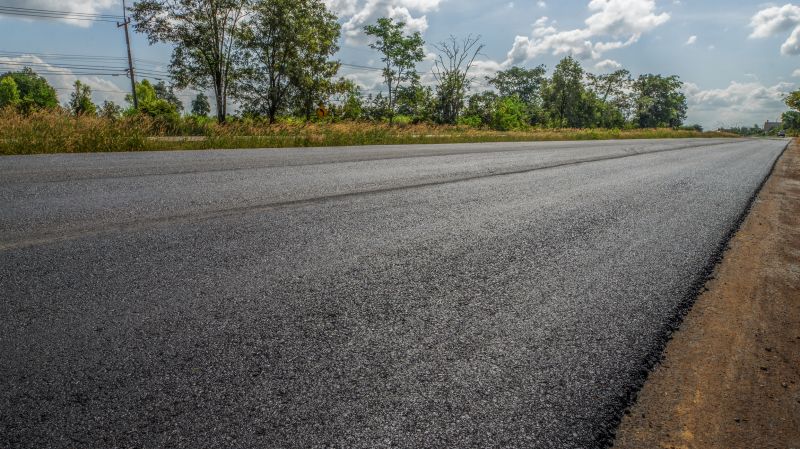 When considering products for asphalt sealings, it is essential to understand the variety of options available to suit different needs and project scales. Asphalt sealing products are designed to protect and extend the lifespan of paved surfaces by creating a protective barrier against water, UV rays, and other environmental elements. These products come in various formulations, including liquid sealers, emulsions, and asphalt rejuvenators, each with specific applications and benefits. Proper selection ensures optimal performance, durability, and ease of application.
Top Overall Option
Liquid Asphalt Sealer
A versatile liquid asphalt sealer offers ease of application and compatibility with various surface conditions. It provides a protective coating that helps resist water penetration and UV damage, making it suitable for both residential and commercial projects. When properly applied, it can enhance the appearance and durability of asphalt surfaces, supporting long-term maintenance efforts.
Types of Products For Asphalt Sealings
Liquid Asphalt Sealer
A liquid formulation that can be applied with spray, brush, or roller, suitable for various surface sizes and conditions.
Emulsion Sealers
Water-based sealers that are easy to apply and clean up, often used for residential driveways.
Asphalt Rejuvenators
Products designed to restore flexibility and extend the life of aging asphalt surfaces.
Crack Fillers and Sealants
Specialized products used to fill and seal cracks before applying a surface sealer.
Coal Tar Sealers
Heavy-duty sealers known for durability, often used in commercial applications.
Polymer-Modified Sealers
Sealants enhanced with polymers for improved adhesion and resistance to wear.
Fast-Drying Sealers
Products formulated to cure quickly, minimizing downtime after application.
Clear Sealers
Translucent options that preserve the natural look of asphalt while providing protection.
Heavy Duty Sealers
Formulations designed for high-traffic areas requiring maximum durability.
Eco-Friendly Sealers
Low-VOC options suitable for environmentally conscious projects.
Hot Applied Sealers
Sealers that are heated before application for better penetration and adhesion.
Cold Applied Sealers
Products that can be applied at ambient temperatures without heating.
Pavement Restorers
Products aimed at restoring the surface condition and appearance of aged asphalt.
Surface Prep Solutions
Cleaning and preparation products to ensure optimal adhesion of sealers.
Seal Coat Additives
Additives that improve the performance or drying time of sealers.
Bonding Agents
Products that enhance adhesion between existing asphalt and new sealant layers.
Popular Choices
Widely used for its ease of application and versatility across different surface types.
Popular for residential driveways due to their simple application and cleanup.
Commonly chosen for proactive crack management before sealing.
Favored for their enhanced durability and adhesion properties.
Preferred in high-traffic commercial areas for their robustness.
Ideal for projects requiring quick turnaround times.
Often selected for their proven longevity in demanding environments.
Essential for ensuring proper adhesion and surface cleanliness.
Used to improve drying times and application performance.
Chosen for rejuvenating older asphalt surfaces and improving appearance.
Popular for maintaining the natural look of asphalt while providing protection.
Selected for their deep penetration and strong bonding in demanding conditions.
Convenient for projects in cooler climates or when heating equipment isn't available.
In residential settings, asphalt sealers are often used to maintain driveways and parking areas, providing a uniform appearance and helping prevent cracks and surface deterioration. Commercial and industrial projects may require more robust formulations capable of withstanding heavier traffic loads and harsher conditions. Additionally, some products are formulated for specific surface types or conditions, such as new asphalt surfaces needing rejuvenation or older surfaces requiring crack filling before sealing.
Application methods can vary from brush and roller to spray systems, depending on the product type and project size. Preparation is a critical step that involves cleaning the surface thoroughly to remove debris, oil, and loose material, ensuring proper adhesion. The weather conditions during application also play a crucial role; ideal conditions typically involve mild temperatures and low humidity to facilitate curing and adhesion. Regular maintenance and timely resealing can significantly prolong the life of asphalt surfaces, making the selection of the right product a key consideration for property owners and contractors alike.
Overall, choosing the appropriate asphalt sealing product involves considering the specific needs of the surface, environmental exposure, and project scale. With numerous options available, understanding the differences and proper application techniques can lead to more effective and long-lasting results, helping preserve the integrity and appearance of paved surfaces over time.
Key Buying Considerations
- Surface type and condition to ensure compatibility with the product.
- Intended use, whether residential, commercial, or industrial.
- Application method preferred or available (spray, brush, roller).
- Weather conditions during application to ensure proper curing.
- Drying and curing times to fit project schedules.
- Durability and resistance to traffic and environmental factors.
- Ease of application and clean-up requirements.
- Compatibility with existing pavement or sealant layers.
- Cost-effectiveness and coverage per gallon or container.
- Environmental and health safety considerations during application.
- Product formulation, such as water-based or solvent-based.
- Reapplication frequency for long-term maintenance.
- Surface preparation requirements for optimal adhesion.
- Presence of additives that enhance performance or drying time.
- Availability of technical support or instructions from suppliers.